This week, I delved into the fascinating world of font psychology, uncovering how typography influences our perceptions and emotions. Fonts are more than letters on a page; they carry personality, evoke feelings, and can subtly guide a viewer’s response to a design.
Font psychology examines how different typefaces affect our thoughts, feelings, and behaviors. For instance, serif fonts like Times New Roman often convey tradition and reliability, making them popular choices for formal documents. In contrast, sans-serif fonts like Helvetica suggest modernity and simplicity, frequently used in contemporary branding. The choice of font can significantly impact how a message is received, underscoring the importance of thoughtful typography in design.
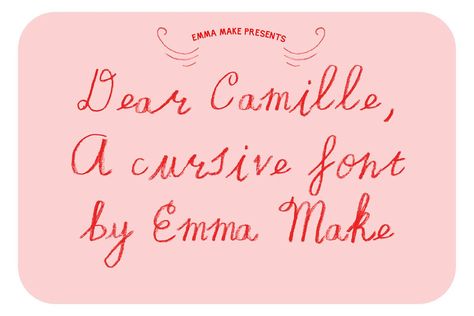
In my exploration, I focused on creating a type specimen poster featuring the font “Dear Camille” by Emma Make. This handwritten script font exudes a playful and intimate charm, reminiscent of a personal love letter. Its casual elegance and organic strokes bring a sense of warmth and approachability, qualities that align perfectly with the brand identity of Lily & Vine, the flower shop and workshop space I am developing. The font’s delicate curves and handwritten style add a personal touch, making it feel both inviting and authentic.
Selecting “Dear Camille” was a deliberate choice to reflect the brand’s essence. The font’s handwritten nature suggests a personal connection, aligning with the intimate experience Lily & Vine aims to offer its customers. Its playful yet refined appearance captures the balance between creativity and professionalism, essential for a brand that hosts artistic workshops within a floral boutique setting.
Understanding the psychological impact of typography has been enlightening. Fonts can convey a range of emotions and associations, from trustworthiness and stability to creativity and warmth. By choosing a font that embodies the desired brand attributes, designers can create a cohesive and emotionally resonant visual identity.
This project reinforced the idea that typography is a powerful tool in storytelling. The right font choice can enhance a brand’s message, foster emotional connections, and influence audience perceptions. As I continue to develop Lily & Vine’s visual identity, I am more attuned to the subtle nuances of typography and its role in effective communication.
In conclusion, fonts are not just aesthetic choices; they are integral components of a brand’s voice and personality. By thoughtfully selecting typefaces that align with a brand’s values and desired emotional impact, designers can craft compelling and authentic narratives that resonate with their audience.
Citations
Creative Bloq. (n.d.). The psychology of fonts: how fonts make you feel. Retrieved from https://www.creativebloq.com/design/fonts-typography/the-psychology-of-fonts-how-fonts-make-you-feel
Emma Make. (n.d.). Dear Camille A Cursive Font. Retrieved from https://emmamake.com/shop/p/dear-camille-a-cursive-font
 Meghan Mackay