I really enjoyed reading Chapter 5, titled “The Audience,” in On Writing Well by William Zinsser. This chapter stood out to me because it made me reflect on my own writing style, both past and present. It also made me realize how much I wish we had been taught the concept of writing for ourselves from a younger age. Of course, I understand the importance of writing a persuasive essay or a fictional story for class assignments, but the idea of writing for yourself—whether intentional and pronounced or subtle and nuanced—feels like something that should be emphasized more.
This chapter was a stark contrast to some of the other readings for this week, especially Steven Pinker’s article, “The Source of Bad Writing,” where he writes, “Your readers know a lot less about your subject than you think, and unless you keep track of what you know that they don’t, you are guaranteed to confuse them.” It made me think about how writing for yourself and writing for others are often very different, but they don’t necessarily have to be. When writing for others, you can still inject your own voice and personality. You might use phrases or words you’d say in everyday conversation, or find a style that feels uniquely yours.
Becoming distinguishable to your reader is also incredibly important. For readers to recognize you as the author is a beautiful skill to have. In a world where there’s writing everywhere we look, being able to make your words stand out is a true talent. Zinsser shares an excerpt in this chapter from a writer named James Herndon. After sharing the passage, he explains how Herndon’s writing is instantly recognizable: “It avoids pretentiousness that infects so much writing by people doing worthy work, and it allows for a rich vein of humor and common sense.” That kind of writing feels authentic, like the author is speaking directly to you.
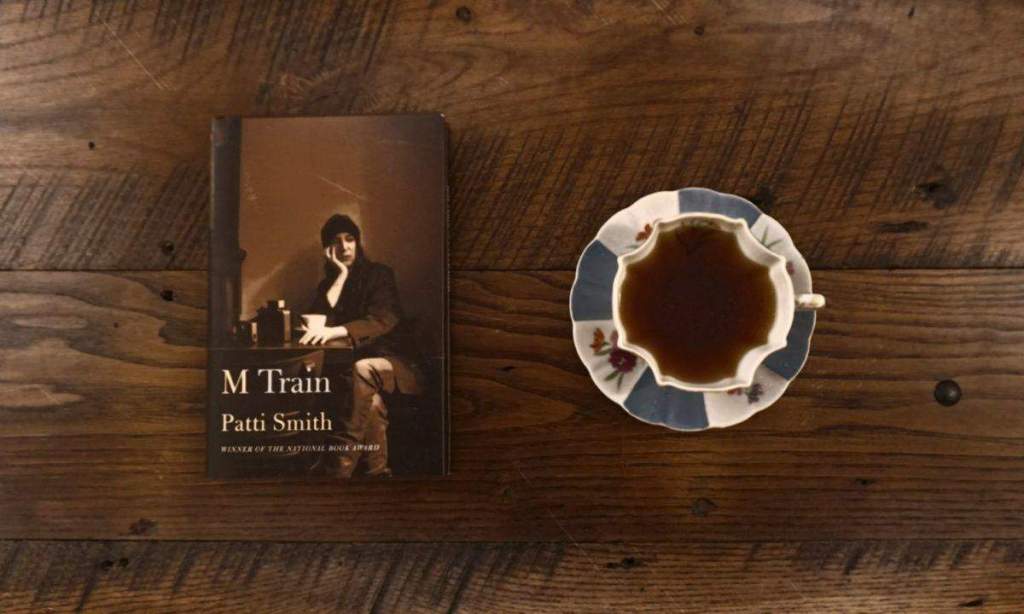
There are a few authors I think of in this context, like Patti Smith and Maggie Nelson. Their words always feel so rich and alive. The way they can describe something as simple as a cup of coffee makes me physically feel it, almost like I can taste it myself. I find it brilliant that words on a page can provoke such a visceral experience. It’s their impeccable, yet true-to-themselves writing style that I deeply admire.
So, while writing for yourself and writing for others might seem like two very different things, I now believe that with a little creativity and a personal touch, you can infuse your own energy into any form of writing.
 Meghan Mackay