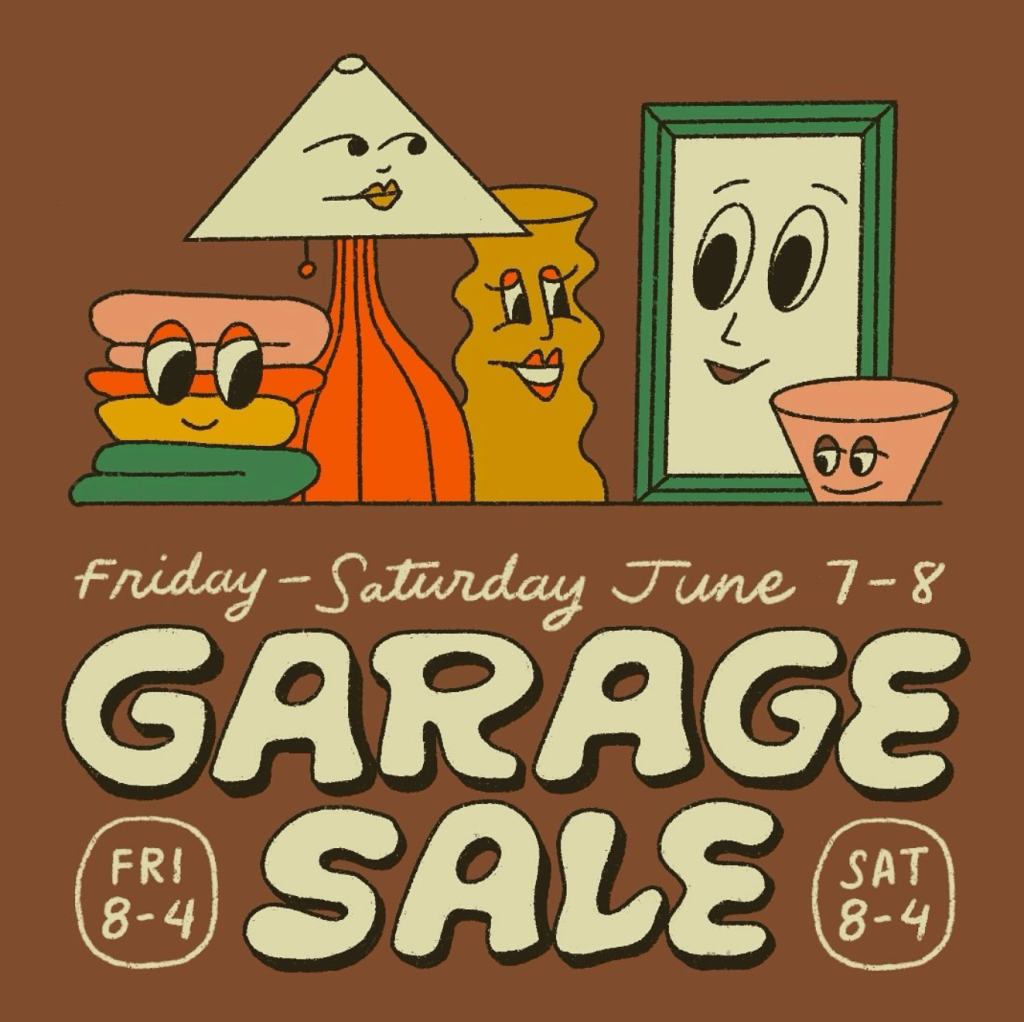
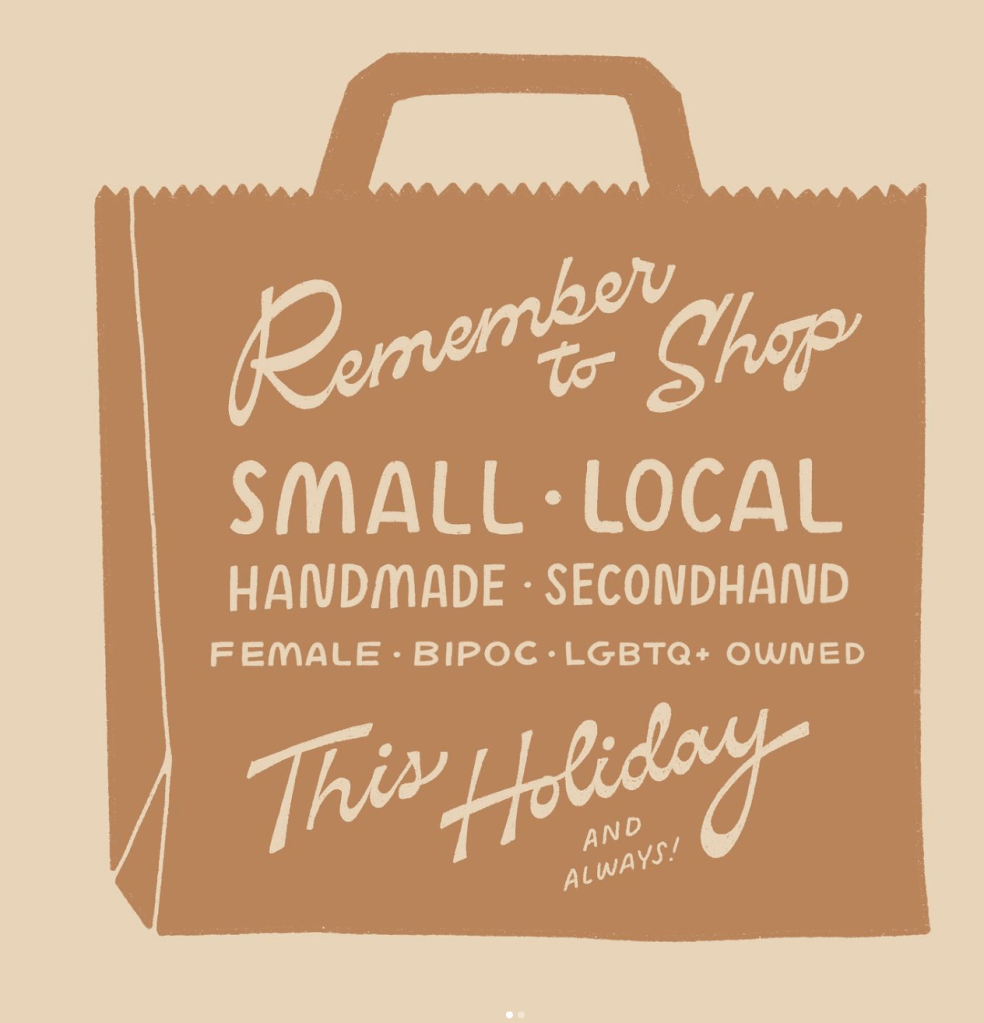
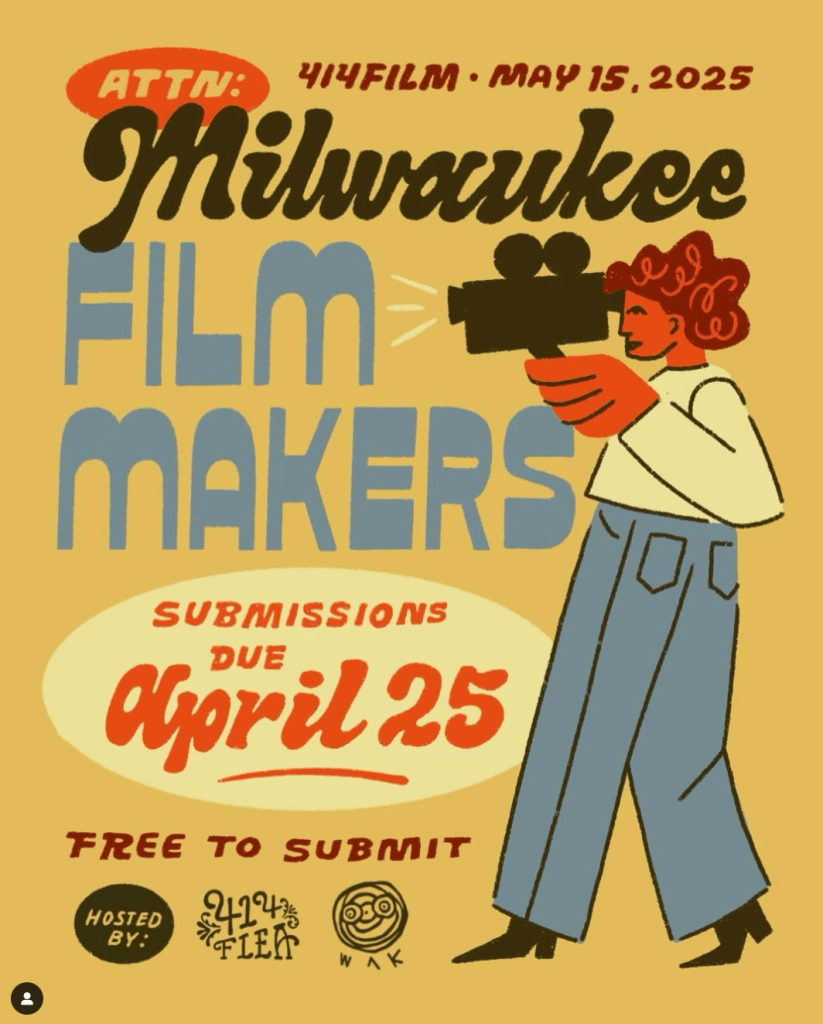
Poster designs by Whitney Nettles
Whether it’s hanging in a café window or popping up in an Instagram story, a well-designed event poster can spark interest, build anticipation, and communicate exactly what kind of experience someone can expect. As a creative who works across branding, photography, and design, I’ve come to think of posters not just as advertisements—but as invitations.
Recently, I came across an article from Piktochart featuring over 30 standout event posters, and one line in particular stuck with me: “A well-designed poster communicates the vibe of your event before anyone reads the details.” That’s the goal—design that speaks instantly, even without words.
Poster Design as Visual Storytelling
A poster is often the first thing someone sees about your event. It sets the tone. It shapes expectations. And ideally, it makes someone feel something.
Here’s how I approach poster design—and why I believe it still holds real power in a digital-first world:
1. Design for Feeling, Not Just Function
Whenever I’m creating a poster, I start by asking myself: What’s the emotional tone of this event? Whether it’s cozy and intimate, bold and high-energy, or refined and elegant, that feeling should drive every decision—from the color palette and typography to the imagery and spacing.
2. Use Hierarchy to Guide the Eye
In design, hierarchy is everything. People skim, scroll, and glance—so I build layouts that are easy to navigate visually. The event name should anchor the poster. The date, time, and location should support it. And any additional text should be minimal and purposeful. When in doubt: simplify.
3. Extend the Design Beyond the Poster
Great posters are adaptable. I often use a poster’s design language—fonts, colors, textures—as the foundation for all the event’s visual materials, from digital invites to social graphics and merch. A consistent visual identity across platforms creates a more cohesive, memorable brand experience.
4. Design With Context in Mind
Posters don’t live in a vacuum—they live on bulletin boards, busy streets, inboxes, and feeds. Where and how a poster will be seen should influence the design. High contrast, bold type, and clean layout might be best for a window; more detailed design might work beautifully online. It’s all about meeting people where they are.
Why This Matters
Poster design is a blend of strategy, storytelling, and style. Done well, it can elevate your event, build your brand, and connect with your audience before you’ve even said a word.
For me, creating posters is one of the most satisfying parts of the design process. It’s a challenge to be clear, creative, and emotionally resonant in a single visual. But when you get it right, it’s more than just a promotional piece—it becomes a visual memory that lingers long after the event is over.
 Meghan Mackay
Leave a comment